JT White
Intimacy in the Viewfinder
In the context of art history, photography is a relatively new phenomenon. The very root of photography defies what's possible by capturing the objects, people, light, and feeling of a moment into a physical object. It is an art form of magic, pure wonderment, and there are few sorcerers like JT White who can wield the camera in such a way that paints a mesmerizing vignette of their expression upon the landscapes they photograph. As artists, we try to communicate through our mediums the feelings, ideas, concerns, and attitudes we want to share with the world. Photography enables creators the ability to reveal the invisible, showing us the infinite possibilities of life. It opens up the pathways to intimacy by portraying different perspectives of the world into the frame and redefining the meaning of a subject to both creator and viewer.
Newfoundland-born photographer JT White has spent the better part of his life traveling the world and following his passion for photography to different cities and continents across the globe. His grainy, black-and-white aesthetic has gathered him a large following on Instagram, allowing him to pursue photography in a way that impacts others. His images have an emotional depth that brings the viewer’s perception beyond the surface of view, ultimately reflecting his psyche within the world between the edges of the shot. He is as much a part of the photo as what exists within the frame, creating ripples of intimacy that are just past the reach of our fingertips. In our interview, JT wrote, “I tend to consider all of my photographs to be a small part of the large self-portrait of my life. This is perhaps why people are looking directly into the camera in so many of my photographs. Somewhere, deep inside, I want to be complicit in the photographs. I want to be in them.” His photographs have become an extension of himself, a projection of his mind onto the landscape of his snapshots, void of all definition, and filled with the energy of the human spirit.
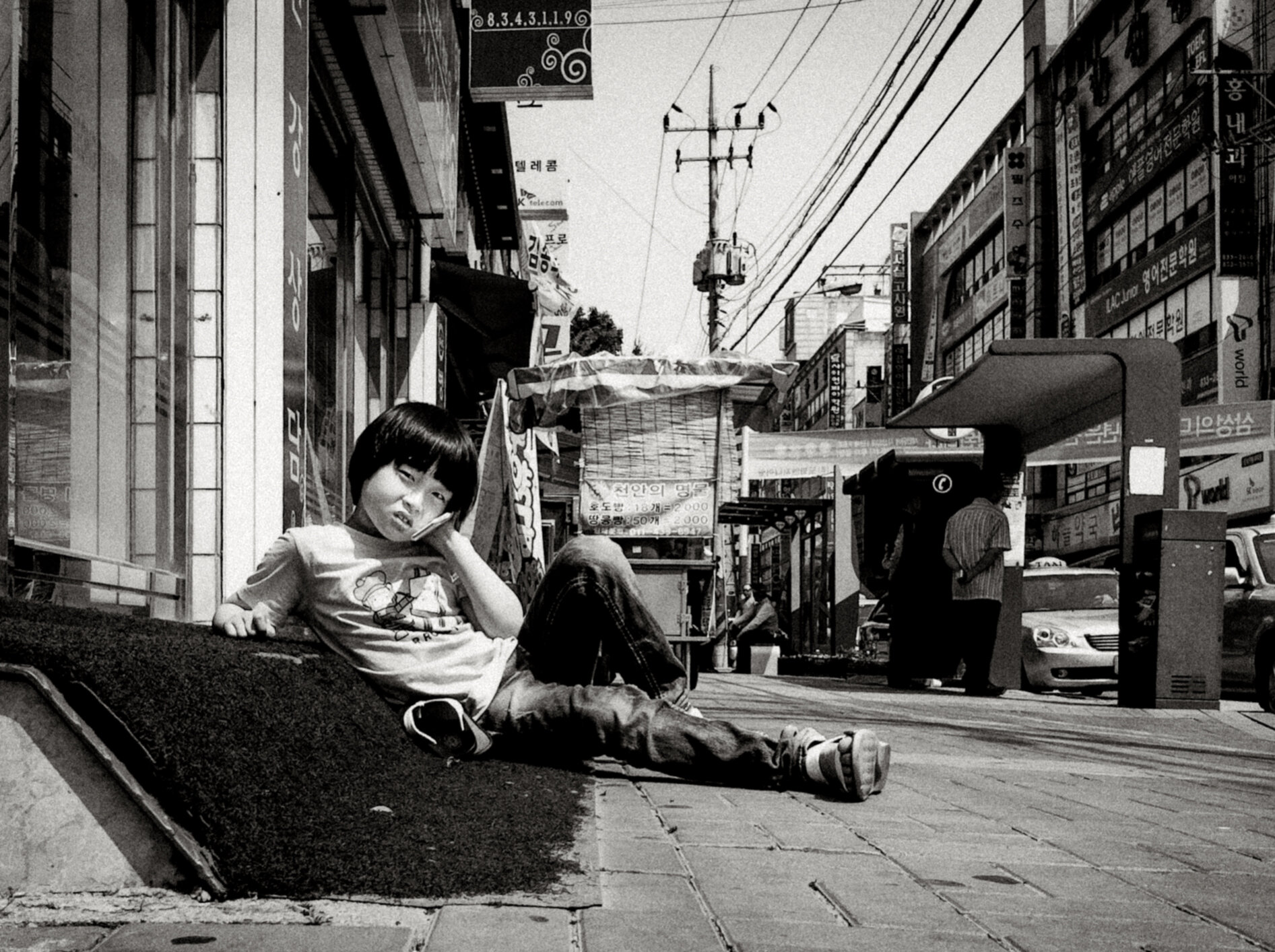
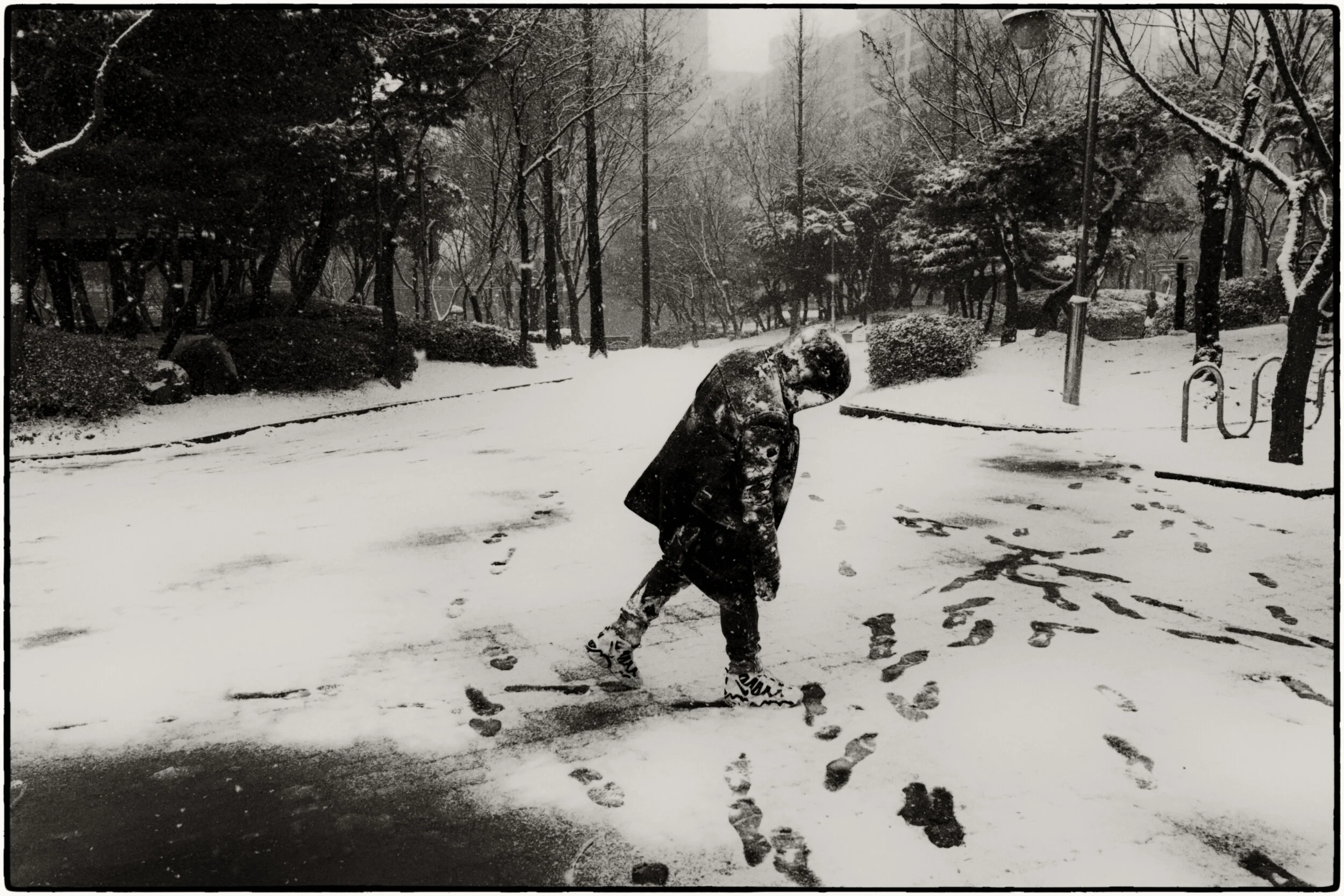
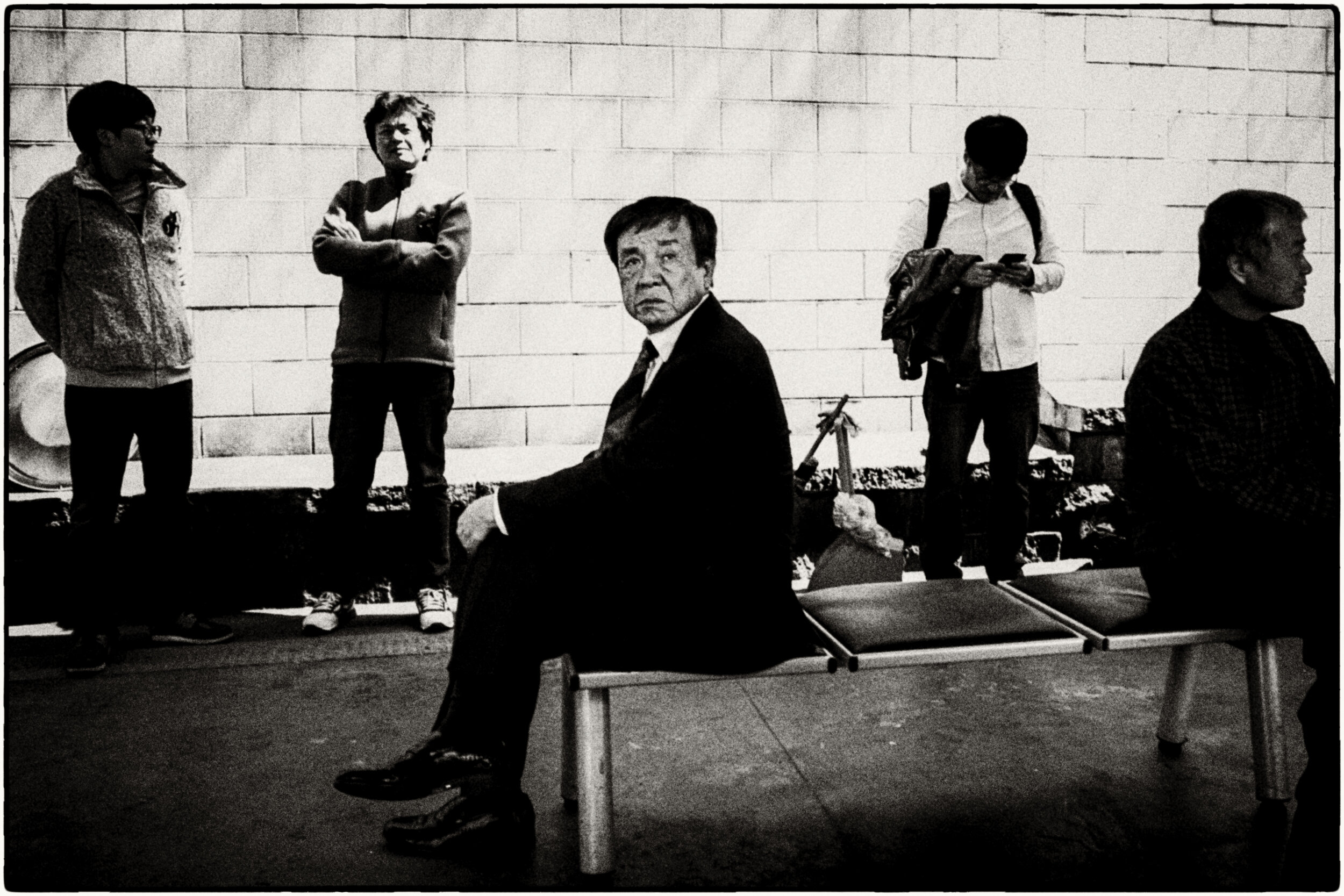
Growing up in Canada, JT wasn’t really drawn to taking pictures, in fact, he mostly loved reading and was more often than not found exploring his favorite literary worlds. His childhood library was expansive, hosting almost 1400 books of all types. With this lifelong interest, JT pursued a degree in English and Literature during his time at undergraduate school. Law school came next and the piling stress started to weigh him down. He found himself living in Toronto amidst a mundane suit-and-tie 9-5, commuting to the same job, doing the same work, and losing touch with the people around him. During these formative years, he began to develop a liking for photography, and where his shelves once held thousands of books, they now hosted an impressive collection of camera equipment. However, without the time after work to pursue anything meaningful, he ended up selling his collection. Despite these conditions his love for photography continued to grow, leading him to begin looking within himself for the motivation to start taking his work more seriously. He began to permeate the idea for his first project “Labyrinth” in which he used an old scratched-up Blackberry cell phone to take photos of people and places around Toronto. This project was the predecessor to what the world now knows as JT White. This project and its descendants brought to life his now-iconic black and white aesthetic and launched the process of solidifying JT into a bonafide artist. The domino effect did its part and JT eventually pursued multiple other projects across Canada and the rest of the world before he landed in South Korea where he has now spent the bulk of his life taking photos of street life in the city of Seoul. As a traveler, JT has seen many different places, and while curiosity can lead other artists to wander forever in search of inspiration, JT found his muse in the vibrant streets of South Korea where he now resides with his growing family. The journey to Korea began with a job teaching Korean students to read and write English. A fascination for the country’s culture quickly started to sprout, he fell in love with Seoul’s rich, energetic atmosphere. The streets bustled with wonders that were vacant from life in Canada, further fueling his fire for photography. He found himself allured to the scenes of the city, capturing images of seemingly ordinary scenes like people on public transportation, busy markets, and darkened alleyways. Around every corner was a secret waiting to be uncovered, there was a mystery in the air that invigorated his instinct to photograph and capture. In our interview JT stated that his street photography is not a matter of preference but rather a feeling, “I don’t think I feel particularly inspired by street photography; it just tends to be where I happen to be with my camera most often. I think if people worry too much about things like inspiration or lack thereof they end up creatively crippled. Go with the flow, as it were.” Going with the flow has proved fruitful for JT as he has now spent many years in Korea, collecting his work across two published zines titled Neverland: Korea.
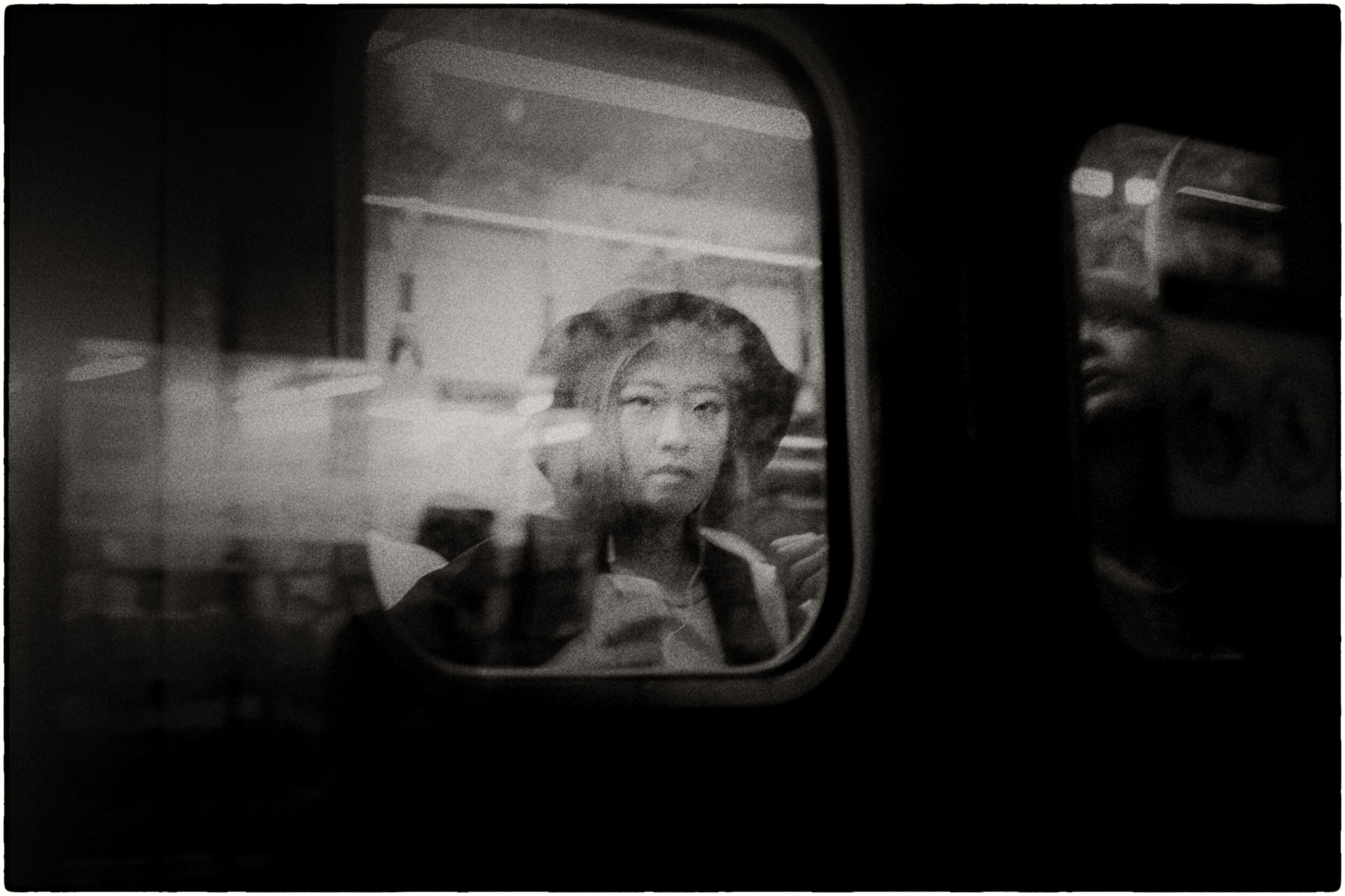
What is incredible about JT’s work is not always what he shoots but how he shoots it, for instance, in his ongoing collection of South Korean street photography, there is a clear connection to humanity. A lot of his shots emphasize faces and eyes, establishing a humane perception in his work. He pays careful attention to those he shoots, taking the elements of the world around them to tell a story. With such an extensive catalog of work, JT has been able to record a record of his own life alongside the citizens and people of South Korea. Viewers get to see into the world of Korean street culture as JT’s darker style omits a wonderfully murky radiance that pulls people into the city, bringing them closer to a place they might have never stepped foot in. He allows us to see the world as he sees it, casting his silhouette onto everything the light touches.
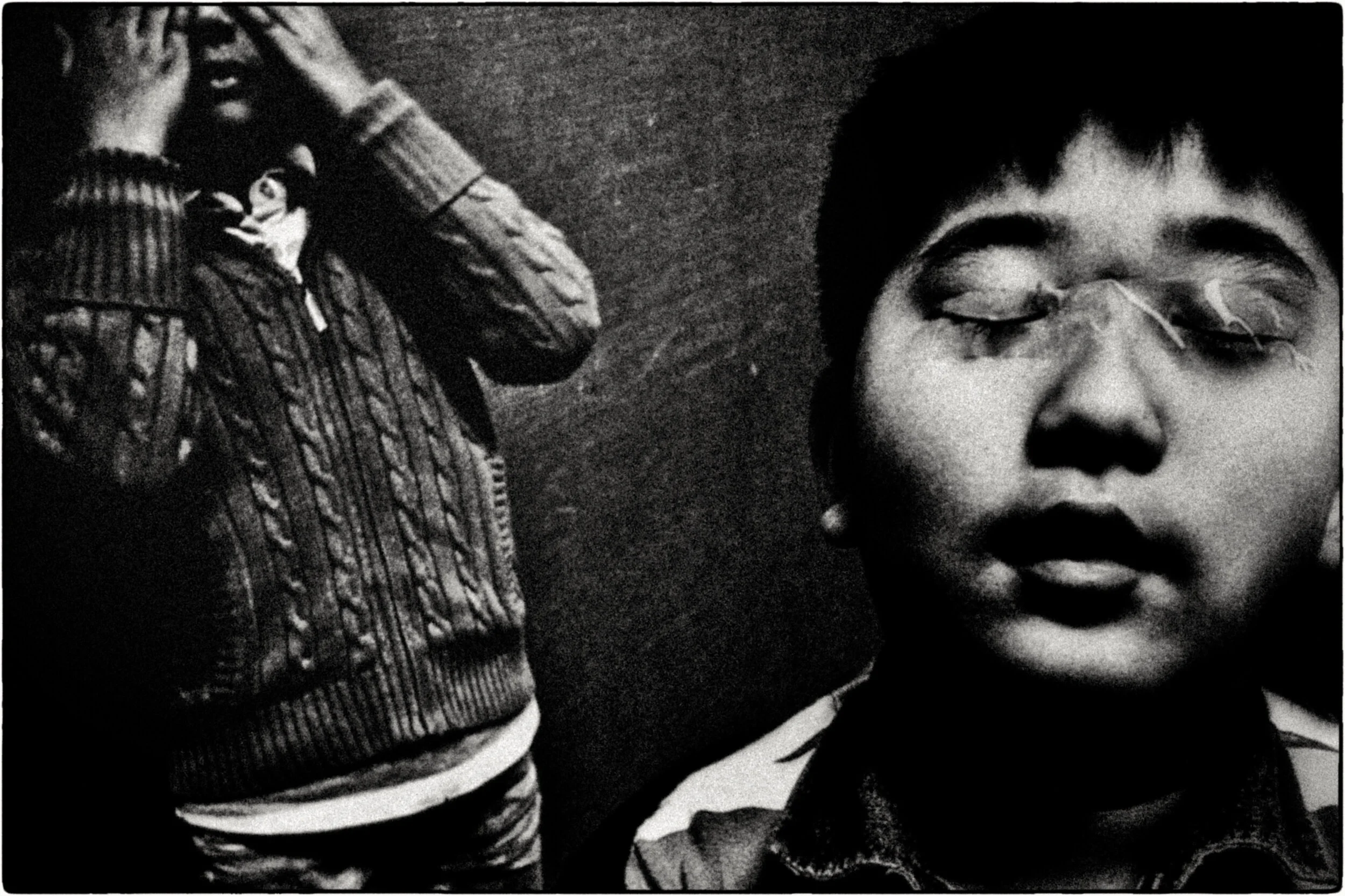
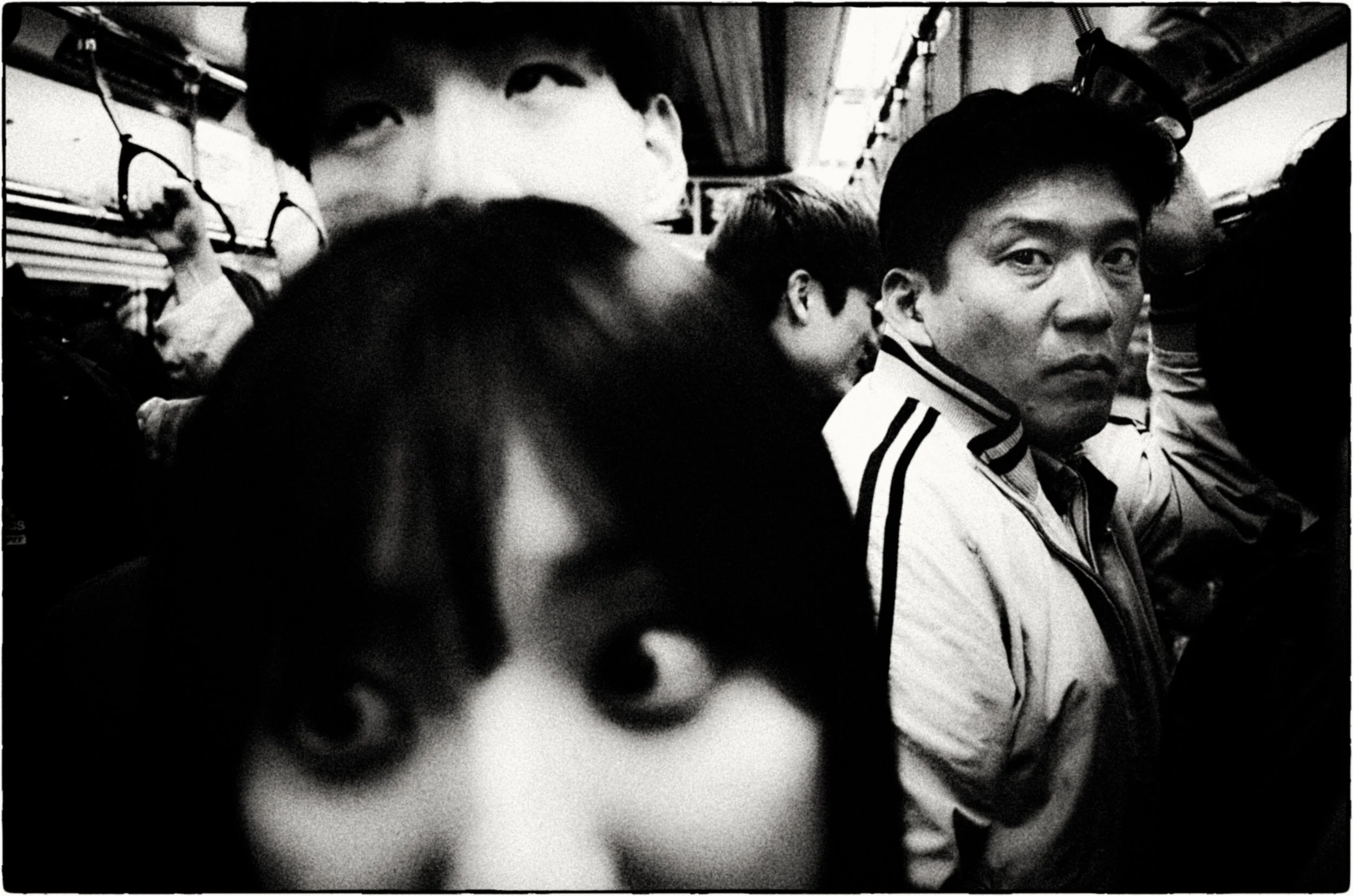
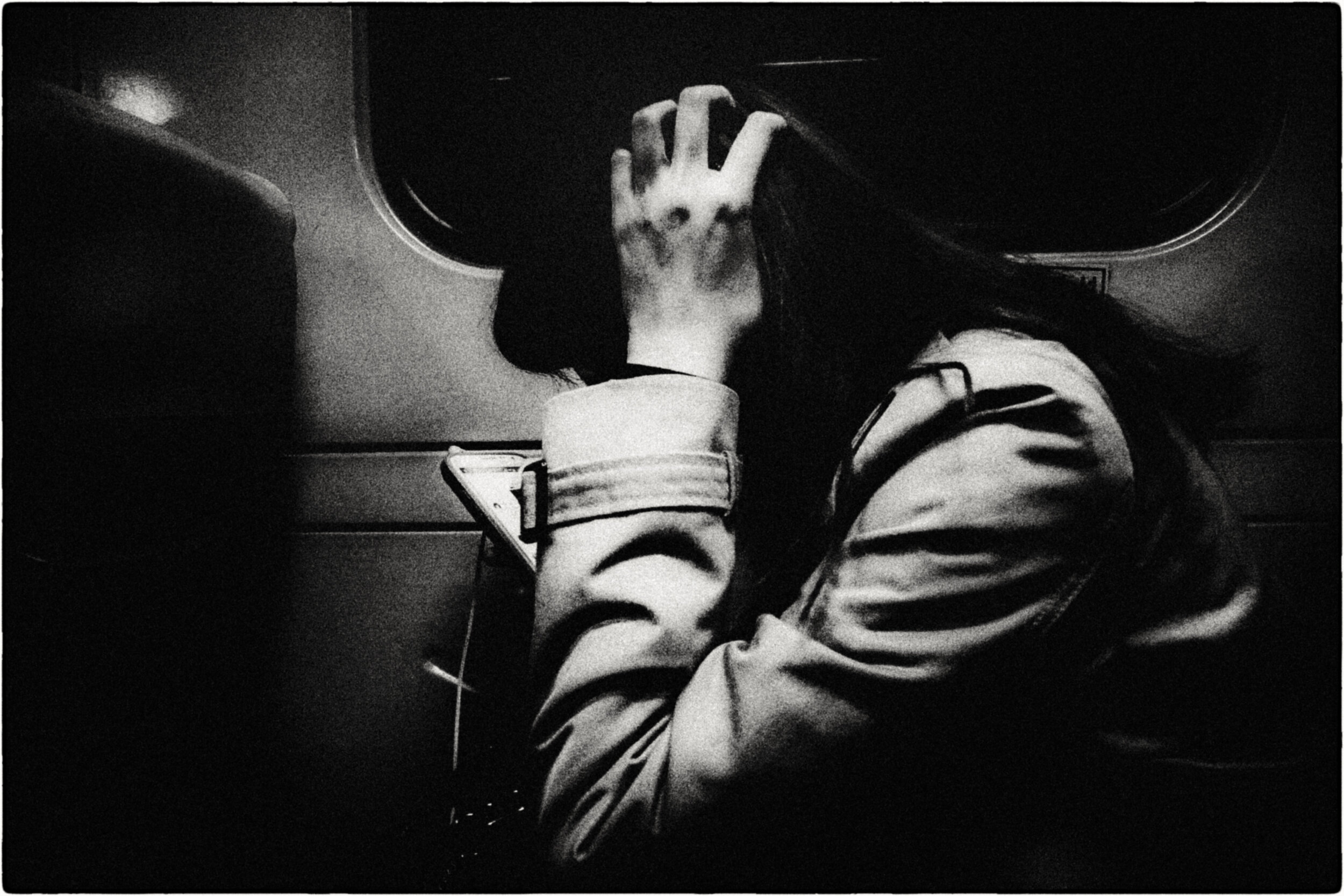
JT’s work has an extremely warm element within the dark contrasts of the black and white shots. While he never sets out to take photos, his artistic compass always leads him to places where people reveal their most vulnerable sides. Whether it is the spur-of-the-moment feeling or simply how JT shoots, this sense of emotional weight is carried throughout his catalog, allowing viewers to feel in tune with the people he features. JT said that he uses photography as a chance to get closer to others and move past his social barriers, “I’m a naturally shy person and the camera is a bit of a way for me to pretend to be more extroverted on occasion.” The shadows of JT’s pictures reflect his shy nature, alluding to viewers that there is a level of intimacy not being fully explored, and revealing the man behind the camera as someone who wishes to speak through his work.
There’s an overwhelming sensation that we are close to the people in JT’s pictures, the use of heavy contrast and the graininess of the film camera accentuates these qualities. Each shot is like looking through the fogged lens of memory. JT has stated many times that he is an advocate for film photography, saying that the grainy and rugged aesthetic of film compliments his style. He feels there is an importance to the tools that you use in your craft, and that cameras should be used to capture people and things you love, “these days I try my best to take photos of the people and things I care about most. It drives me crazy to see people use 10,000 dollar Leicas on the street taking photos of people they nor care about or feel anything for yet are perfectly happy to take pictures of their elderly grandmother or newborn child with their iPhone while the Leica sits in the bag.”
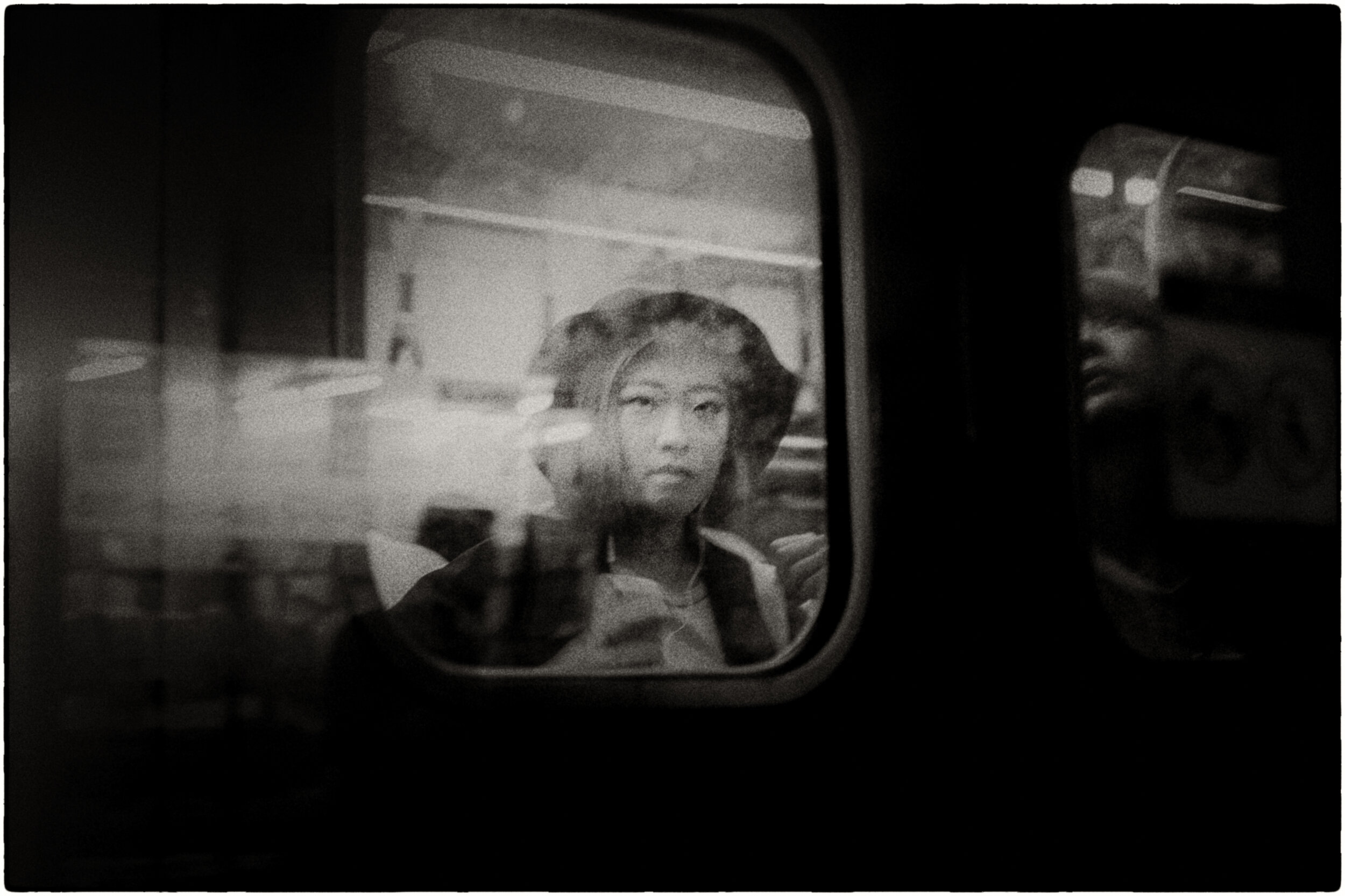
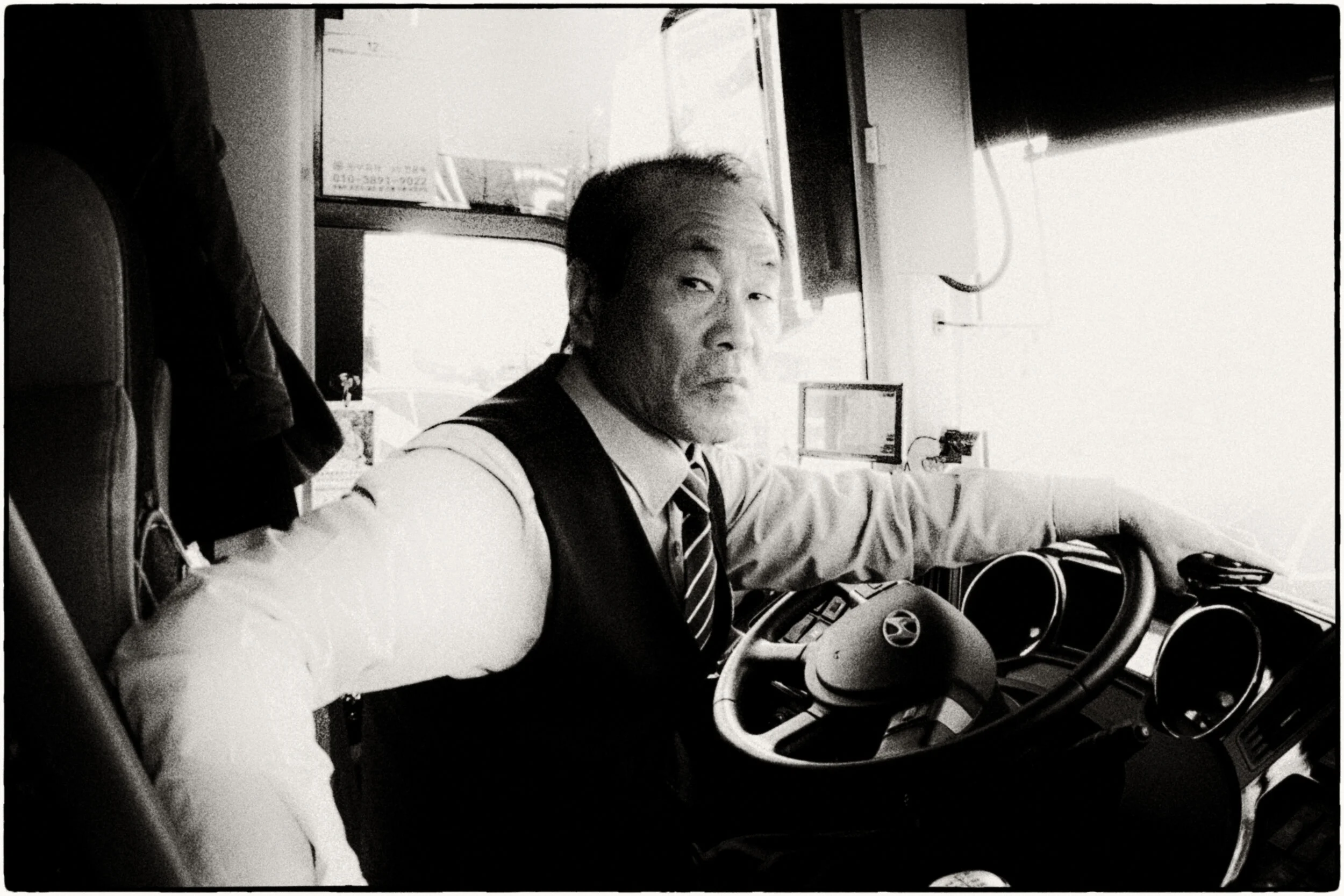
When working in any form of art there is always a level of therapy at work, and for JT photography is a healthy escape, “I’m not clinically depressed or anything of the like. As with most people, I do feel the feelings associated with depression from time to time. My first basic instinct when feeling down in any way is to pace. Photography helped me a great deal to turn that pacing into something positive. There was a time when I would walk the streets taking photos at night almost every night. Especially after my father passed away.” It is impossible to ignore the emotion bubbling from his photography. Viewers get a glimpse into his mind with every shot, building a stronger link with the frequency of his work. As viewers we become in sync with JT, putting together the shadowed pieces to his life’s puzzle.
JT’s work is often reflective of his state of mind and seems to unintentionally gravitate towards visceral imagery that creates a developed tone of the human experience. “I don’t tend to be a very analytical person when it comes to such things. I take photos of things that spur me to do so at that moment. Not much thought involved, I’m afraid.” This mentality coupled with an eye for the subtle intimacy of everyday life allows JT to create incredibly dense visuals. The lack of preparation and reliance on instinct is incredibly freeing. He lets the city streets speak to him, giving his scenes a chance to speak for themselves. It's as if the world around him flows through his camera, portraying itself with the impressions of JT’s mind. Everything he does is fresh and momentous. The essence of momentary fascination is carried in all of his work, and it has the power to leave a lasting effect on those who enjoy JT’s work.
Taking photography beyond the confines of the visual is what separates JT from any working photographer on the scene. His hauntingly beautiful black and white photos display a moody, dark, and reserved nature, casting into the world the elements of his very being. These pictures embrace an awareness of himself and his surroundings, portraying heavy shadows that send shockwaves through anyone who sees them. He floats behind every street sign, he's reflected in every window. Not only does he see within himself but he sees within the people and places he shoots. It's as if JT’s photos have a way of traveling to the core of the city and relaying the electricity of its energy. Photography has opened the doors for JT to create connections with thousands of people around the world in a way that feels natural and pure. He is one of the most dynamic photographers on the scene, and his vision is impossible to ignore.