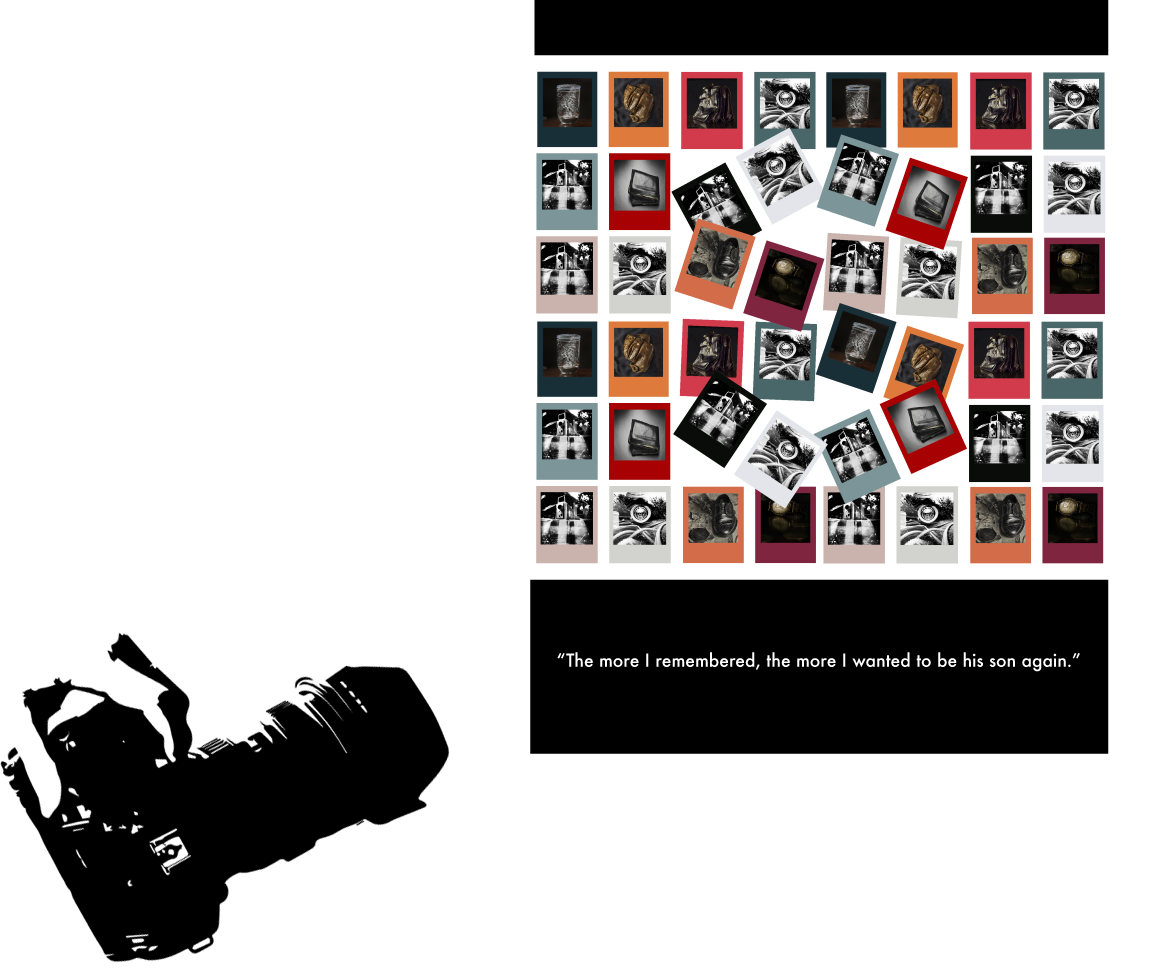
Jay Sullivan

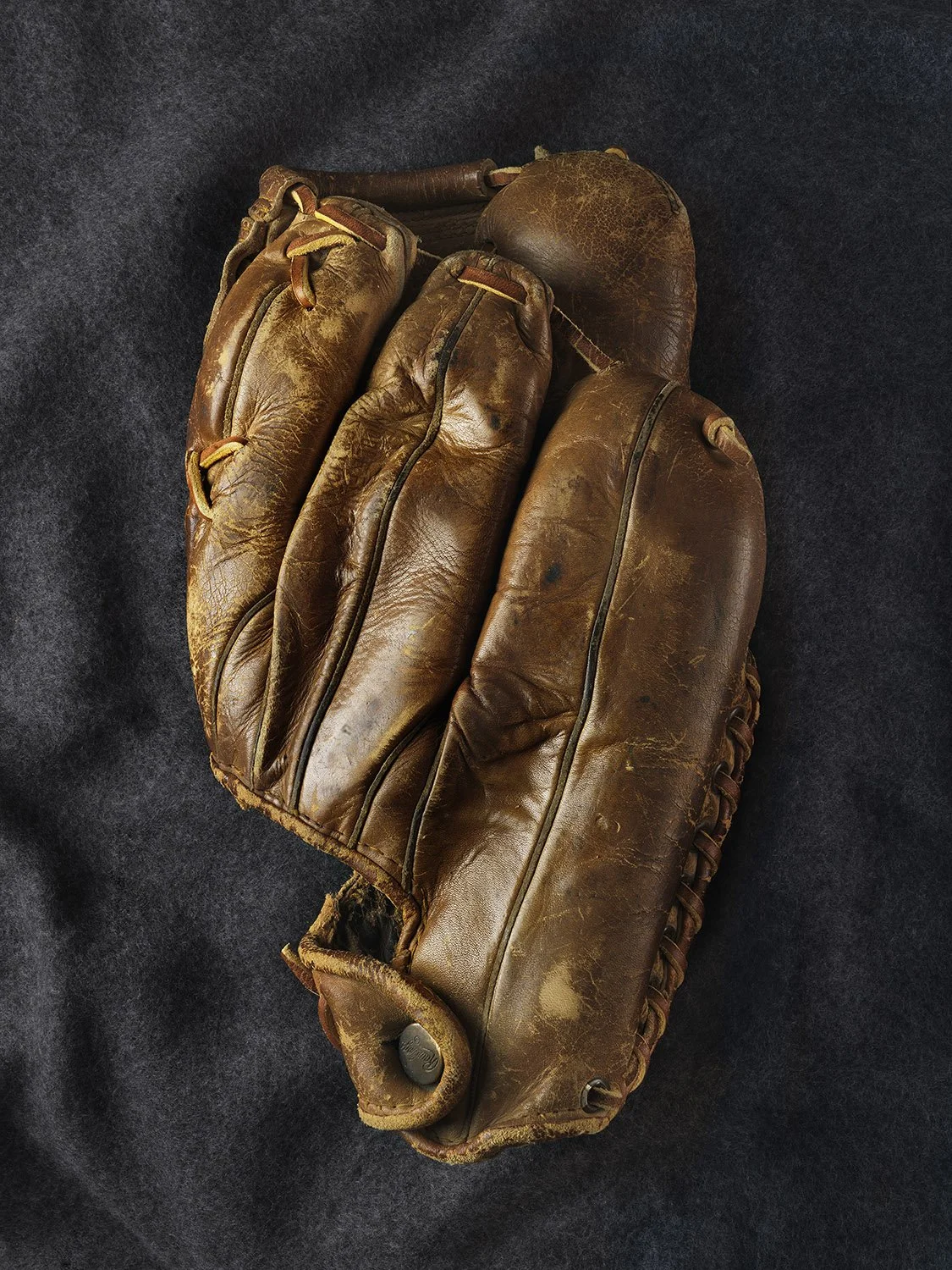
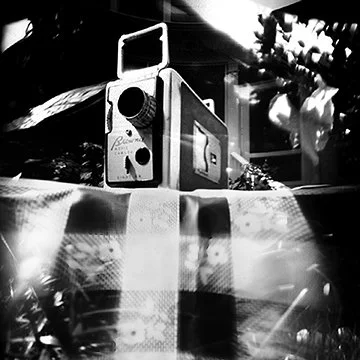
Glove - Photography, 11” x 14”, 2014
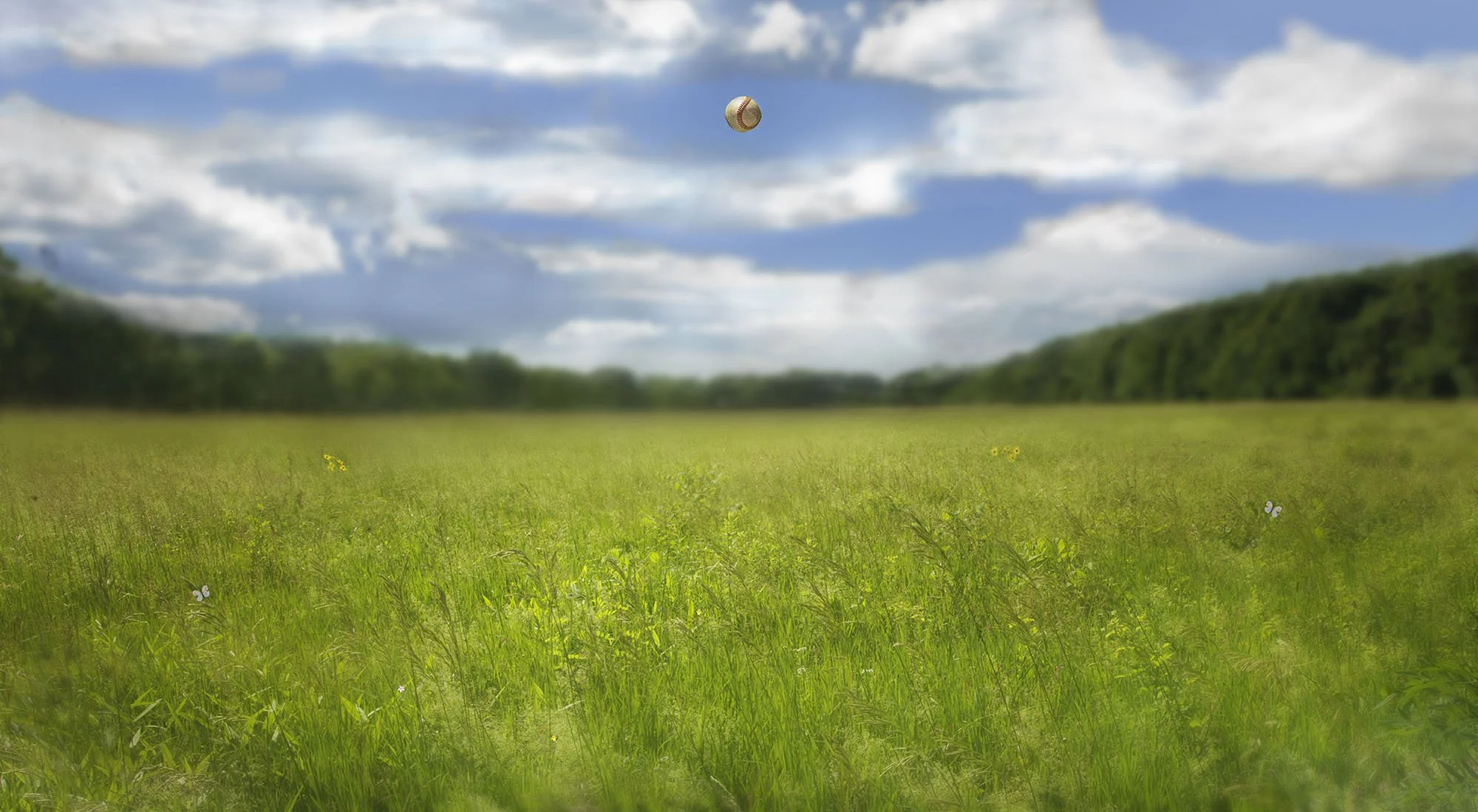
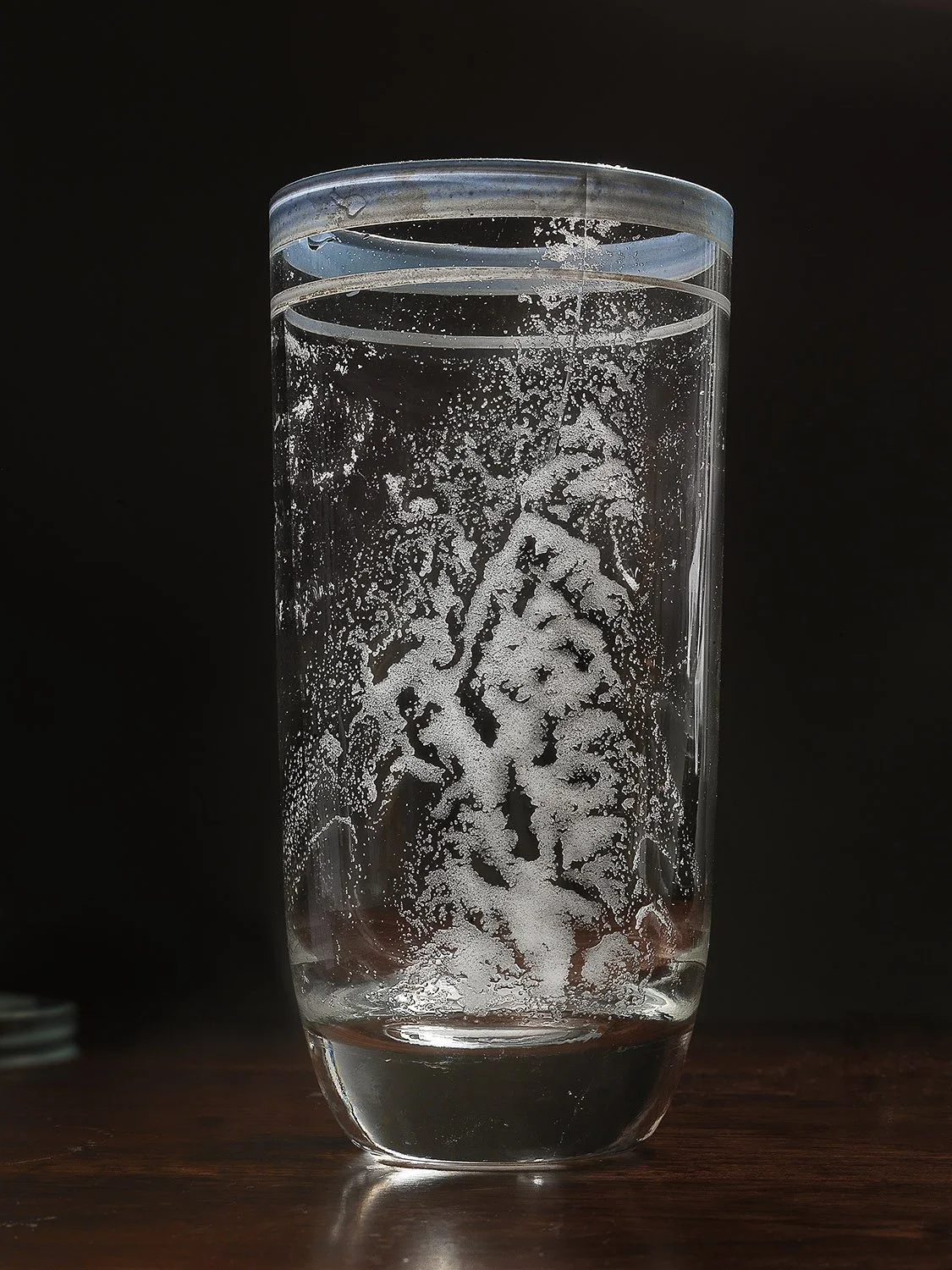
Here, Now, Forever - Photography, 20” x 30”, 2015
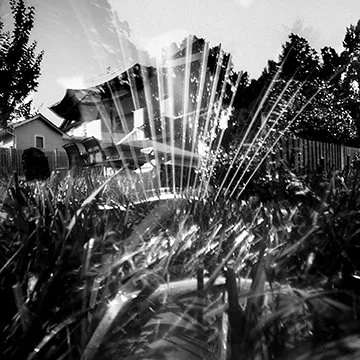
His work absorbs the viewer—they are scenes that can be stepped into, or objects in isolation, hinting at a human presence close by, whether in distance, time, or remembrance. Gaze at his work long enough, and it becomes hard to tell whether the fragments pieces together are Jay’s recollections, your own, or an exchange of the two. An empty field, a leather shoe, an empty glass stained by Alka-Seltzer, are all somehow imbued with life—but whose?
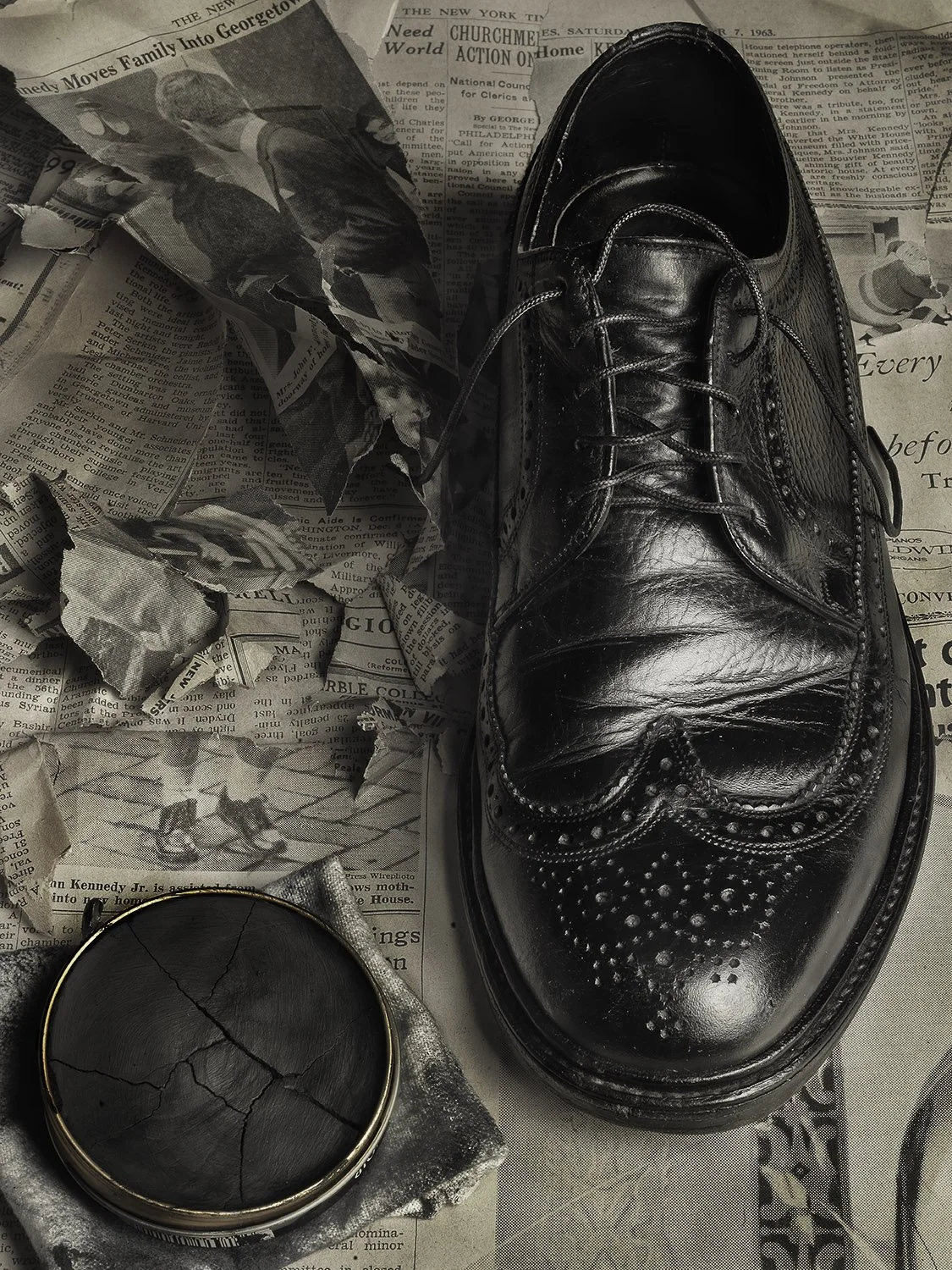
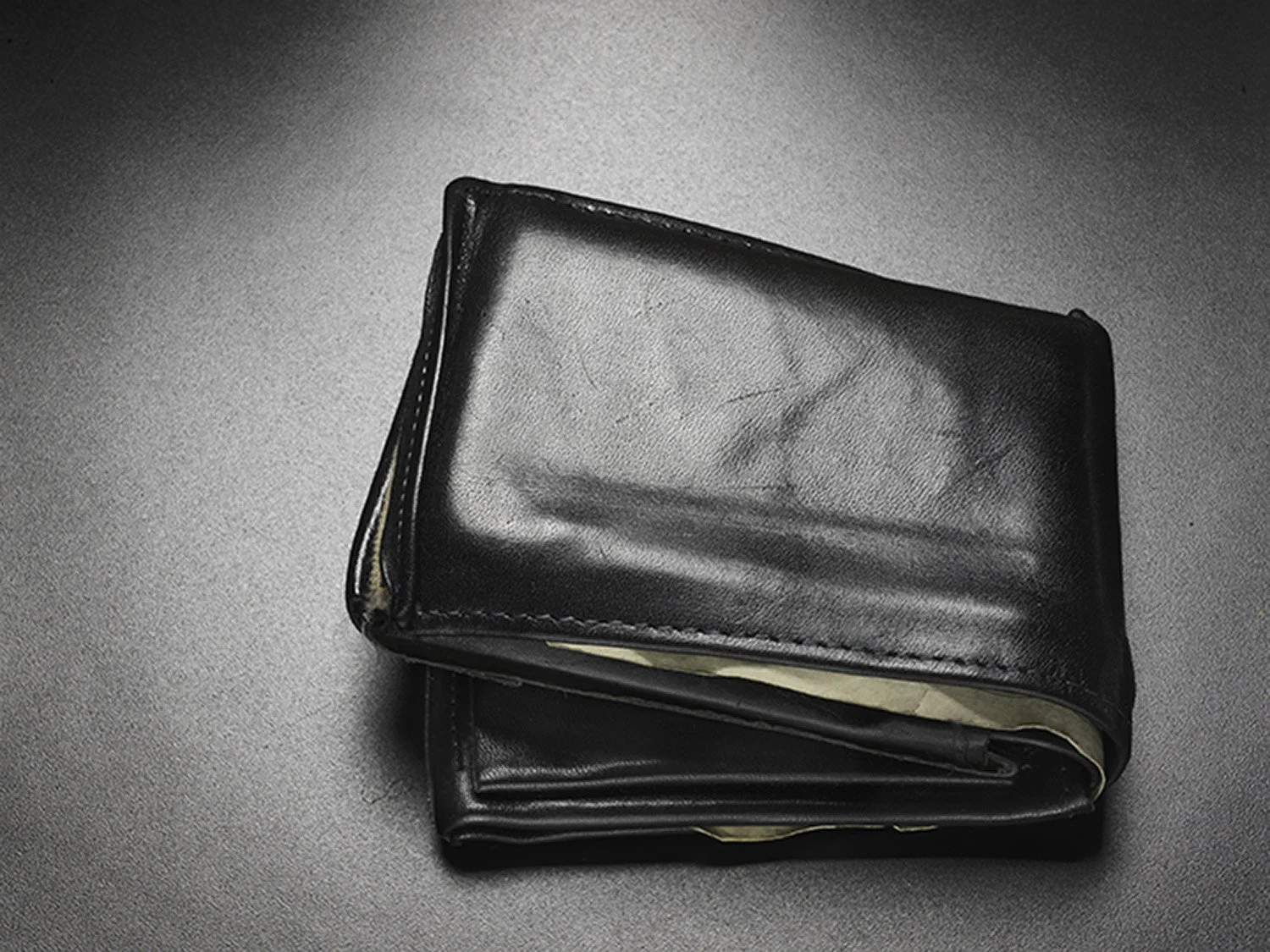
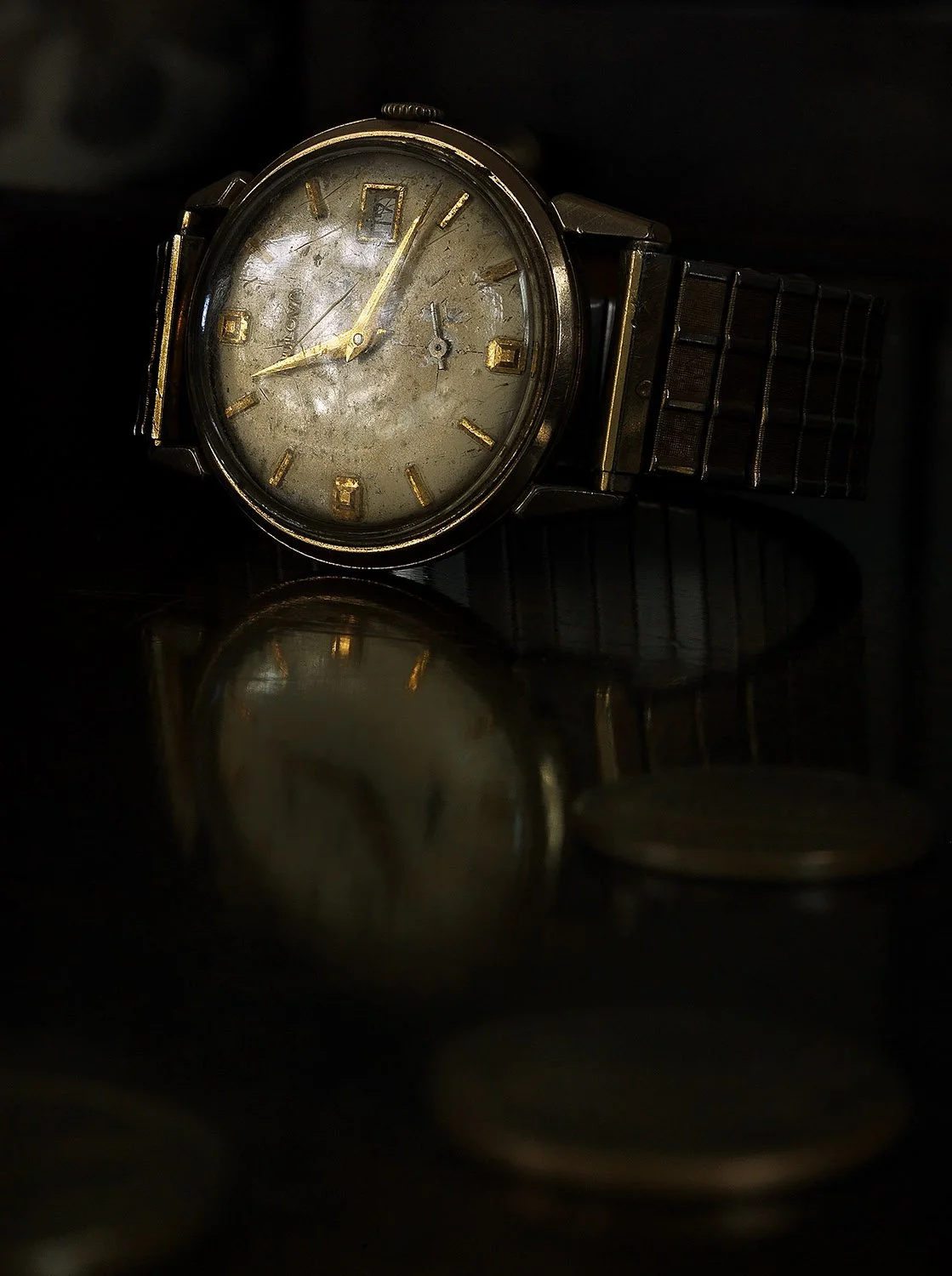
Sullivan has devoted a series of work to his father, twenty years after his death, and through that work finds insight into the relationship between them and the mental struggle. These stunning portraits not only paint a person in what is missing from the scene but start a dialogue. “Over time,” he says, “it became a journey into these objects’ emotional core, unearthing the feelings and memories associated with a black wallet, wingtip shoes, zippo lighter, baseball glove, and many other long-forgotten items.”
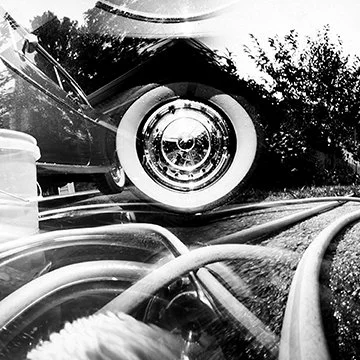
Those items have a presence and throw into relief the lack thereof. Jay’s father struggled with bipolar episodes throughout his childhood, which caused rifts within their relationship. Through objects, Sullivan navigates his father’s mental state through the years and gains a better understanding of his own. The first installment in this project is G(love), a photo of a glossy leather baseball glove worn just enough to suggest use, but not worn threadbare, against a solid gray fabric. The glove’s state hints at an abrupt stop in use, and though the background at first seems murky and blank, it suggests the warmth of a thick blanket or coat. It’s easy to project an idea of the man Jay’s father was, and speculate about their past relationship, but the project lives in the present. “I imagined that my father lived with me. I started a journal that recorded the days of our imagined life together: time spent at the beach, the coffee shop, the ball field...The more images I created, the more I remembered; the more I remembered, the more I wanted to be his son again.”
Though there easily could be, there is no judgment lurking within these pieces. The detail captured in each photo seems deliberate, meditative. Through the stillness in the photos themselves, the observer is lulled into their own quiet pause. The experience is like a long conversation—between the artist and his father, the artist, and his own mind, and the artist and the viewer. In Sullivan’s own words, “My art process is first designed to help me understand myself better and, if the resulting art piece is successful, it will create insight into how others can help themselves.” The longer we gaze at the photo, the more we understand, and the more there is to understand.
It’s no mistake that the quiet pause within Sullivan’s art runs countercurrent with the speed of the world in 2021 and the push to be as productive and perfect as possible. He feels deeply about the hustle and the struggle many artists, including himself, have been conditioned to accept as normal, even worthy of reward. “The term ‘struggling artist,’ I think, is as much about emotional struggles as financial ones,” he clarifies, “In the past, I think the art world has glorified struggling artists, creating the expectation that good artists are in some way emotionally damaged.” He acknowledges the importance of self-care, looking to a future in which artists see it as a vital part of the process.
Sullivan rejects the false correlation between mental suffering and good art. He mentions a pivotal experience at a weekend retreat called The Healing Power of Theater, led by playwright Jean Claude Van Italie: “I was about 30 years old at the time and had recently started therapy to understand how my father's bipolar disorder was affecting my adult life. At that workshop, I realized that therapy and healing could be more than therapy sessions. So from then on, I was always looking to see how I could integrate the creative process with traditional therapy.”

It’s a philosophy
It’s a philosophy evident in his art, and in the work of those he admires. Sullivan cites John Cage, Marina Abramovic, Louise Bourgeois, and On Kawara as major influences on his creative process—all of whom have used art to explore their mental states. Just as his work captures so much more than a moment of time, but his father’s life, and his own story in progress, Sullivan’s hopeful about the story in the progress of the greater art world. He’s not alone in finding his healing through art or working that healing into the art, and the change is palpable. “For a long time, the art world, in general, was hesitant about discussing the artist’s psychological state or objectives as part of the work. I think that is rapidly changing,” he says, adding: “A university professor said to me a couple of years ago, ‘For years, I have been telling artists to take themselves out of their work. Now, looking at your work, I am not sure I have been right about that.’”
Stilled by Jay Sullivan’s photography—getting lost in the leather crease of a briefcase or an empty field, somehow imposing and warm, loaded with their own significance—you can’t help but feel gratitude for this wave of change. “It is amazing to me that one of my images can create a connection and generate enough trust that a total stranger will reveal intimate details about their lives in the middle of a gallery space crowded with other people,” he says, in awe of the response, his work has received in the past. Would this experience, in which the viewer sees and feels seen, exist without the artist’s presence within, or the intimate journey that was Jay Sullivan’s process? It’s hard to imagine otherwise. Nor would I want to.
Jay Sullivan is a photographer and video artist based in New Jersey, whose work falls at the intersection of memory, psychology, and the creative process. His photographic and video art has been featured in numerous exhibitions and publications in the U.S. and Europe, including the Transart Short Film Festival, the New York Post, ART Magazine, and Murze Art Magazine. His work can be found on Instagram and at jsullivanartist.com.
Written by: Audrey Olivero
Design by: Chastity Collier